Body
Articles and analysis on today's issues
In the news:
Content Reference
Image

Summary
The US added more multifamily housing between 2021 and 2025 than any other time in the past 37 years, with downtown Brooklyn and Nashville leading the way.
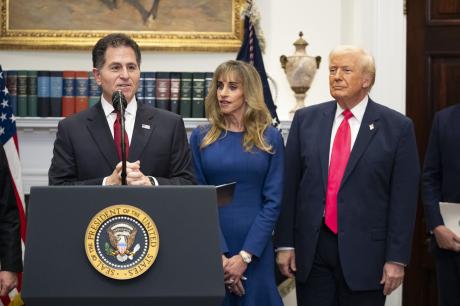
Don’t Cut Out the Middleman: The Dells’ Pledge to Support Trump Accounts and the Importance of Nonprofit Infrastructure If philanthropy only supports wealth-building programs through direct cash giving, it risks bypassing nonprofits that have built the infrastructure to deliver coaching, financial access, safeguards, and trusted relationships that turn dollars into durable gains. To best support these programs, weHow States and Cities Can Support Wealth Building for the Next Generation of Black Families Wealth has great potential to unlock opportunities for people over the course of their life, but a long history of structural racism has meant Black families are less likely to have large reserves of wealth.How Can State and Local Human Services Agencies Improve Program Coordination in Today’s Federal Policy Landscape? People who qualify for multiple human services programs like TANF, Medicaid and SNAP often face access barriers. Better coordination between programs helps improve service delivery. Our new toolkit can help with coordination.How Local Leaders Can Help Black Entrepreneurs Thrive Through the Silver Tsunami With the help of local stakeholders, the silver tsunami offers Black entrepreneurs an opportunity to build generational wealth.Proposed Cuts to Supports for Youth and Young Adults Experiencing Homelessness Threaten an Already Weakened System of Vital Services Congress has an opportunity to ensure homeless service providers have the funds they need to protect thousands of young people currently in permanent housing and help them avoid homelessness.Consumers with Low Incomes Often Distrust Mainstream Financial Services. New Data Shed Light on the Reasons Results from a survey of households with low incomes offer insights into how financial institutions and regulators can build trust with unbanked households and promote greater financial inclusion.