
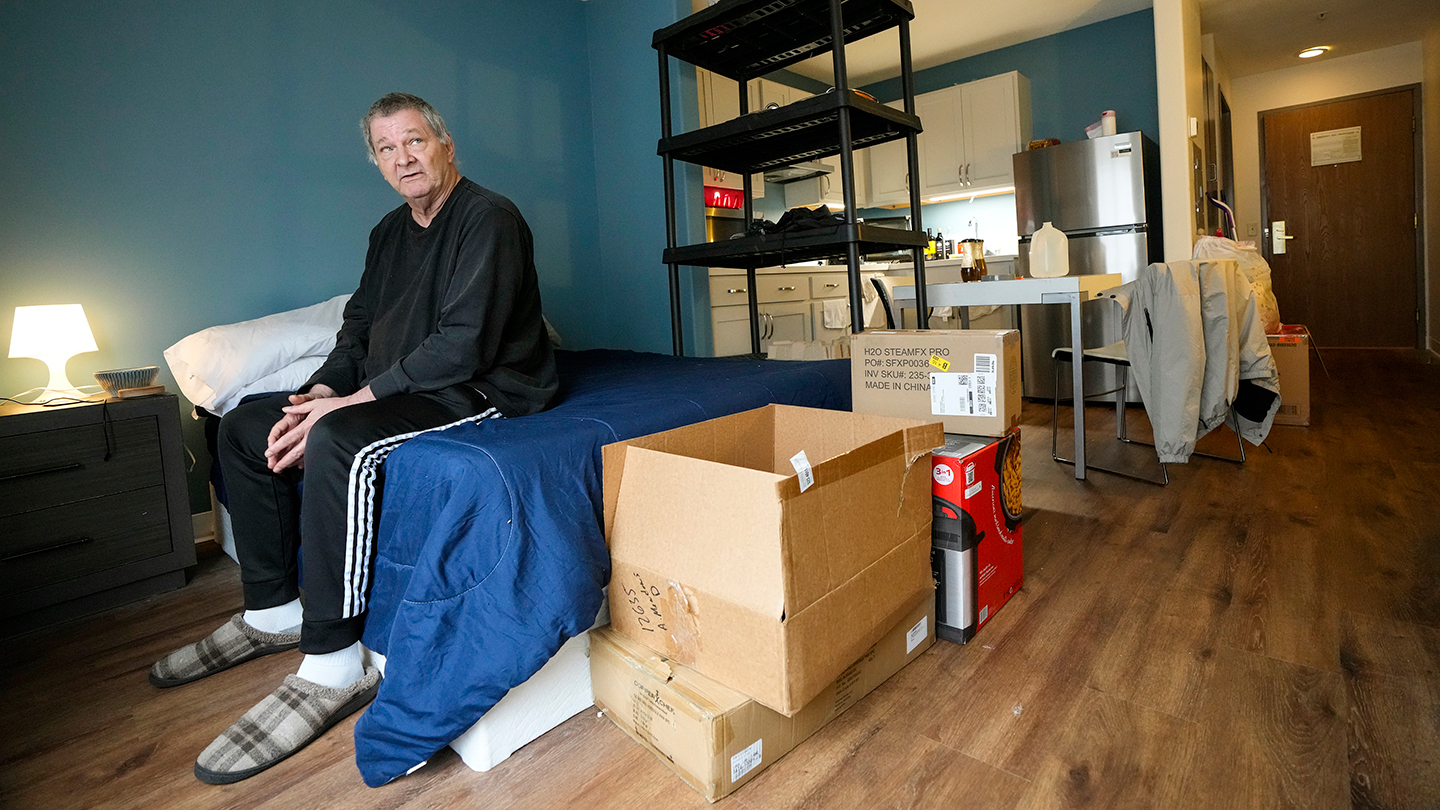
On any given night, about 33,000 veterans experience homelessness, either sleeping outside or turning to overnight shelters. Many of these veterans need long-term support to remain housed. Fortunately, we already have programs that work.
By funding programs that target veteran homelessness, including a joint US Department of Housing and Urban Development (HUD) and Veteran’s Affairs supportive housing program and the Supportive Services for Veteran Families program, policymakers successfully reduced veteran homelessness by 56 percent between 2010 and 2024.
However, some of those gains could soon be undone. A recently released HUD notice of funding opportunity would change priorities for funding for the Continuum of Care program, which supports permanent supportive housing programs that house people with disabilities who have experienced long-term or repeated homelessness. If this change is implemented, currently housed veterans could have to rely on time-limited programs that do not meet their needs or lose housing support completely.
Supportive housing reduces veteran homelessness
Supportive housing programs provide essential services for veterans with disabilities who need long-term support to remain stably housed. Studies show that when veterans are offered long-term housing, they successfully move in, stabilize, and show health improvements: increased access to primary care and reduced alcohol and substance use.
Although veteran-dedicated programs fund most veteran-specific supportive housing beds (92 percent), thousands are housed through supportive housing programs funded by the broader homelessness response system. If HUD follows through on the proposed changes to the Continuum of Care program, more than 4,000 veterans could lose or otherwise have their long-term housing support disrupted, potentially increasing veteran homelessness by 12 percent. Additionally, we have no way of estimating the number of veterans who may be living in other programs funded by the Continuum of Care program that are not designated as specifically for veterans.
These potential effects wouldn’t be spread evenly across the country. One in 5 veterans in Maine, for instance, could experience permanent supportive housing disruptions. Across six other states (Indiana, Maryland, Pennsylvania, Wisconsin, New Hampshire, and New York), around 1 in 10 veterans in permanent supportive housing could experience disruptions.
Cutting federal supportive housing funding hurts veterans
If federal policymakers let HUD’s proposed changes move forward, they could undermine more than a decade of progress in effectively housing those who served this country. What’s more, these changes will diminish the country’s broader homelessness response supports, potentially pushing people out of housing.
Without further action, state and local policymakers must be prepared to meet the needs of their communities’ veterans, including funding housing subsidies and services and transferring people to other housing or assisted living programs.
