Body
Articles and analysis on today's issues
In the news:
Content Reference
Image
Summary
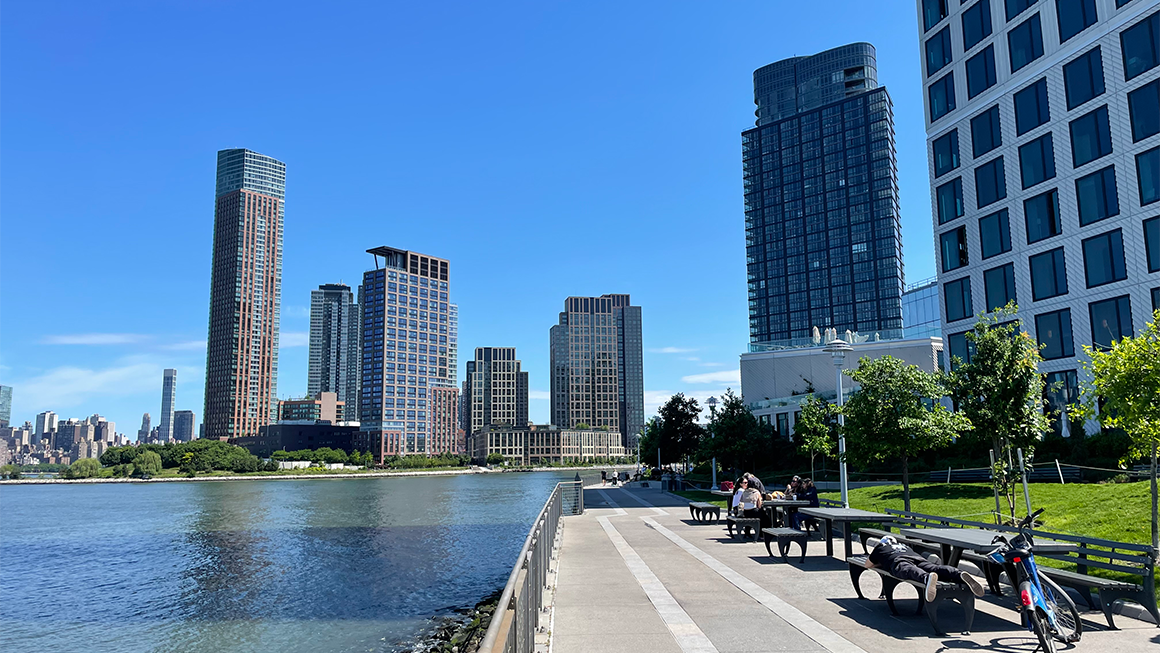
The US added more multifamily housing between 2021 and 2025 than any other time in the past 37 years, with downtown Brooklyn and Nashville leading the way.
A New Tool Helps Communities Understand How to Increase Upward Mobility for Residents Explore data on income, education, and housing in the five largest US cities to learn more about the Upward Mobility Data Dashboard and other tools for understanding and addressing mobility and equity challenges.Nine Ways Policymakers Can Improve Domestic Violence Response During Domestic Violence Awareness Month, explore survivor-informed guiding principles for helping survivors heal, holding space for their needs, and centering them in system responses.How Do Federal Agencies Compensate Community Members for Bringing Their Expertise to Policies and Programs? By valuing lived experience, agencies can foster relationships with communities that support meaningful change.Building the Skilled Workforce to End Homelessness The homelessness response sector is experiencing a labor shortage. Strategies from other sectors could offer new paths to building a skilled workforce.Nonprofit Reform Campaigns Are Gaining Visibility. Here’s What that Means for Civil Society. Vice President hopeful JD Vance espouses a particular antagonism toward progressive nonprofits and philanthropies, but what do his critiques say about the broader movement for nonprofit reform?Highway Pollution Near Multifamily Homes Hurts Residents, but Zoning and Transportation Reform Could Help New Urban research shows high-density housing in Los Angeles is disproportionately concentrated near high-traffic roads compared with single-family homes, exposing apartment residents to the adverse health effects of pollution.