Body
Articles and analysis on today's issues
In the news:
Content Reference
Image
Summary
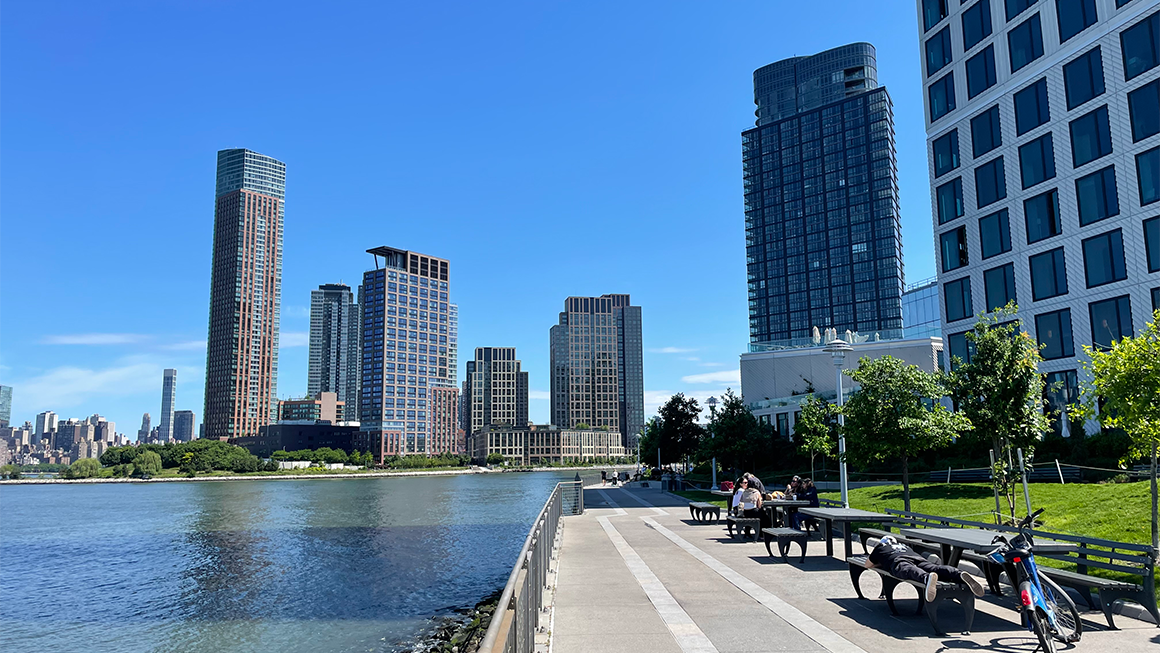
The US added more multifamily housing between 2021 and 2025 than any other time in the past 37 years, with downtown Brooklyn and Nashville leading the way.
How Milwaukee Can Create More Equitable Investment Flows Over the past two decades, Milwaukee has struggled to access investment compared with its peer cities, especially in neighborhoods of color and high-poverty neighborhoods.A Chance to Improve Free Community College If a universal free community college program is implemented, policymakers should carefully consider potential changing enrollment patterns, their associated implications on education equity, and how to mitigate any potential negative effects.How Are Cities Planning to Use State and Local Fiscal Recovery Funds for Their Housing Needs? Cities’ diverse and creative plans reveal the scope of housing needs and local urgency to find funding for solutions.Policing Is Killing Black Disabled People. Centering Intersectionality Is Critical to Reducing Harm. What would it take to tackle the compound harms of systemic racism and ableism in the criminal legal system?Using Data to Understand High School Outcomes in Buffalo An examination of outcomes in Buffalo high schools shows how using regression analysis can provide insight for parents, policymakers, and school administrators.Opening the Floodgates in the Public Service Loan Forgiveness Program Removing the income-driven repayment requirement from the Public Service Loan Forgiveness program radically changes the number and type of borrower that qualifies and how much debt would be forgiven.