Body
Articles and analysis on today's issues
In the news:
Content Reference
Image

Summary
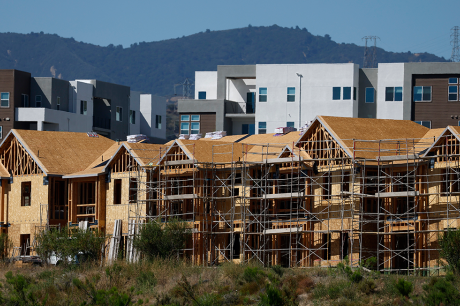
The US added more multifamily housing between 2021 and 2025 than any other time in the past 37 years, with downtown Brooklyn and Nashville leading the way.
Congress Has Finally Passed Major Housing Reform. The Real Work Starts Now. The 21st Century ROAD to Housing Act represents a true bipartisan investment in housing affordability, but now federal agencies need the funding and the staff to make it a reality.Three Lessons on Wealth-Building Accounts to Help Get the Trump IRA Right Policymakers have an opportunity to incorporate evidence-based lessons as they refine Trump individual retirement accounts and strengthen 530A/Trump accounts to ensure strong participation, sustained savings, and meaningful wealth accumulation.New 2025 HMDA Data Reveal What It Will Take to Make Homeownership Accessible and Sustainable for Everyone Three trends highlight barriers to homeownership amid today’s affordability challenges and identify opportunities for policy and research to reduce the homeownership gap.What Supports Do Young Adults Need to Make the Most of Baby Bonds? Initial Insights from the Cash Catalyst Program A small study of participants in an accelerated baby bonds program highlights the importance of having a strong balance sheet to take full advantage of baby bonds’ wealth-building potential.Which Neighborhoods Have Added the Most Housing Units in the Past Five Years? The US added more multifamily housing between 2021 and 2025 than any other time in the past 37 years, with downtown Brooklyn and Nashville leading the way.The US Needs More Starter Homes. Factory-Built Construction Can Fill the Gap. Expanding the growing market of factory-built homes—which are more efficient than other homes in terms of labor, materials, and time—could catalyze the starter home market.