Body
Articles and analysis on today's issues
In the news:
Content Reference
Image

Summary
The US added more multifamily housing between 2021 and 2025 than any other time in the past 37 years, with downtown Brooklyn and Nashville leading the way.
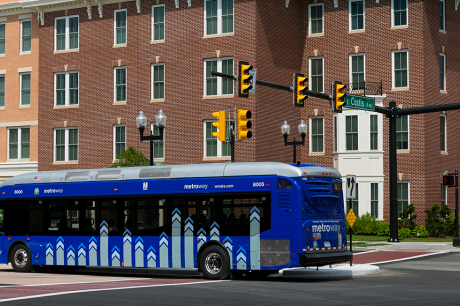
Three Things DC’s New Mayor and Council Need to Know to Help Young People Access the Safety Net Many children and young adults in DC who are eligible for benefits don’t receive them. Increasing participation rates could reduce poverty.Three Things DC’s New Mayor and Council Need to Know About Eviction The root causes of eviction are complex, so candidates should consider all policy levers to help stabilize residents, landlords, and the District.Expanding the Supply of Child Care Starts with Two Key Questions To ensure every family has access to the child care they want and need, states and localities should identify and address the unique challenges facing their communities’ current and aspiring providers.How Universities and Hospital Systems Affect Local Economies Understanding the connection between municipalities and higher education and health care systems, or “eds and meds,” is critical to advancing local economic growth.Transit-Oriented Development Can Help Cities Grow. Which Urban Areas Are Doing Best? Most large urban areas throughout the US have increased their housing supply near transit over the past four decades, encouraging more residents to live in neighborhoods where people don’t need a car to get around.How Insights from Private-Sector Data Can Strengthen Economic Policymaking We use hypothetical personas to explore which warning signs private data can capture and what data could be most useful to policymakers.