Body
Articles and analysis on today's issues
In the news:
Content Reference
Image
Summary
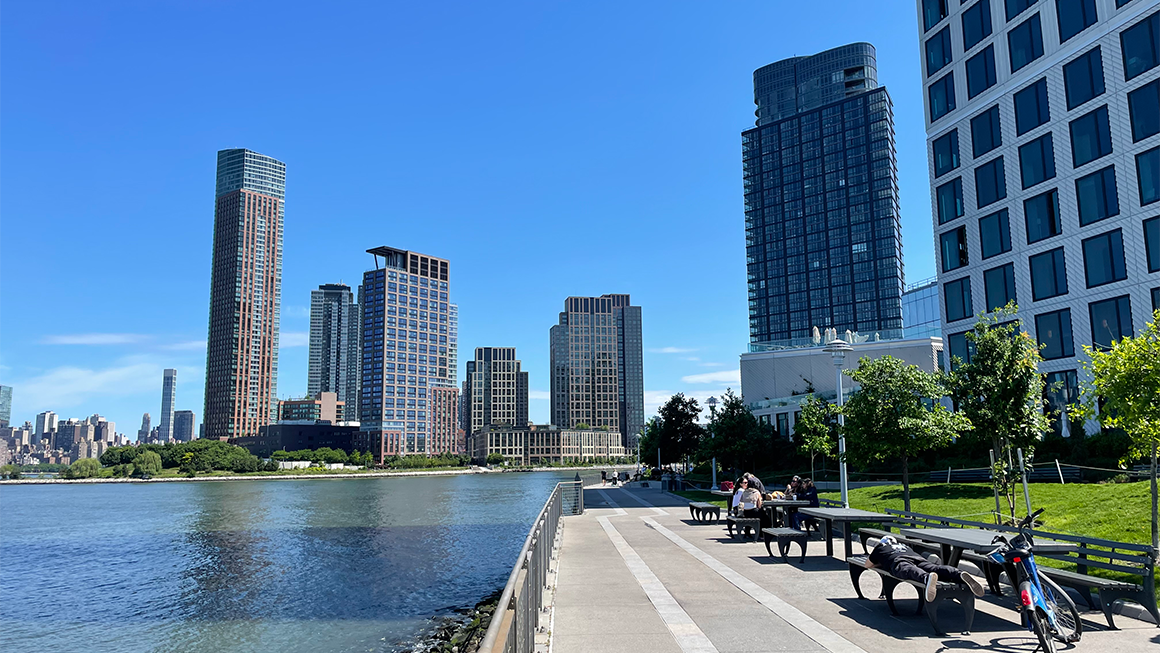
The US added more multifamily housing between 2021 and 2025 than any other time in the past 37 years, with downtown Brooklyn and Nashville leading the way.
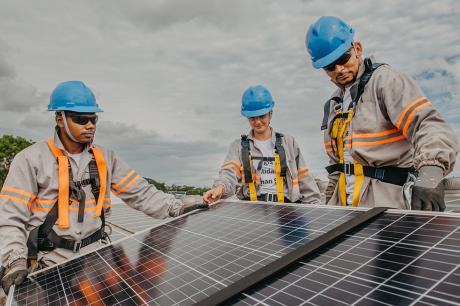
Local Governments with More Staff and Bigger Budgets Are More Likely to Win Federal Infrastructure Grants To avoid reinforcing historic inequities in infrastructure, federal agencies, in partnership with local governments and nonprofits, should equip communities with less capacity with the supports they need to apply for and win competitive federal grants.Today’s High-Rate Environment Offers an Opportunity to Streamline the Refinancing Process By removing three major barriers to mortgage refinancing, policymakers can make homeownership more sustainable for borrowers with low incomes and borrowers of color.High Rents Are Posing Financial Challenges for Renters at All Income Levels Renters are saving less, cutting back spending on necessities, and moving homes to afford rent, especially if they have low incomes. Several policies could offer them financial relief.How to Expand Access to Good Clean Energy Jobs among Women and People of Color New research shows women and people of color are underrepresented in the potential workforce for high-quality clean energy jobs. Universities, employers, and unions can play a role in creating a more diverse workforce.Communities Can Combat Vaccine Misinformation through Trusted Messengers By equipping influential community members with accurate, up-to-date information and by providing a platform, community-based organizations can counter vaccine misinformation and promote health equity.Promoting Vaccine Equity through Trauma-Responsive Strategies Community-based organizations can better promote health equity through vaccine uptake by implementing trauma-responsive strategies in historically underserved communities.