Body
Articles and analysis on today's issues
In the news:
Content Reference
Image
Summary
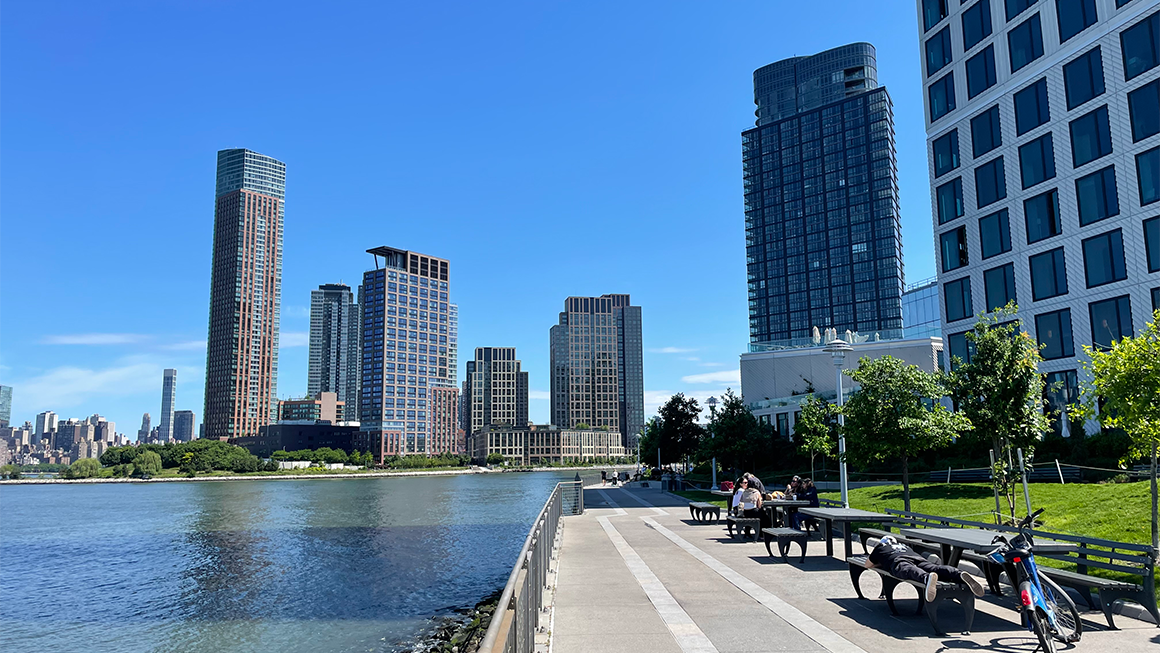
The US added more multifamily housing between 2021 and 2025 than any other time in the past 37 years, with downtown Brooklyn and Nashville leading the way.
Five Questions to Create Systems Change in Your Community How can policymakers and practitioners dismantle structural barriers and boost mobility in their communities?Three Ways to Improve Environmental Justice Measurement in the White House’s Justice40 Climate and Economic Justice Screening Tool By implementing these recommendations, the Justice40 Initiative can be better positioned to redress historical disparities and maximize restorative investments in communities most harmed by environmental burdens.Disparities by Gender Complicate Proposed Accountability Metrics A proposed gainful employment accountability threshold might disproportionately affect programs that predominately serve women.How People-Based Special Purpose Credit Programs Can Reduce the Racial Homeownership Gap People-based special purpose credit programs are the most direct way to target resources to close the racial homeownership gap.Simplification Cannot Be the Only Goal of Student Aid Reform Combining merit- and need-based state grant aid programs can seem attractive because of the simplicity but risks denying sufficient aid to the students who need it most.Understanding the Harms of Police Violence Can Help Build Community Safety Understanding the violence happening in communities is the first step toward reducing it.