Body
Articles and analysis on today's issues
In the news:
Content Reference
Image
Summary
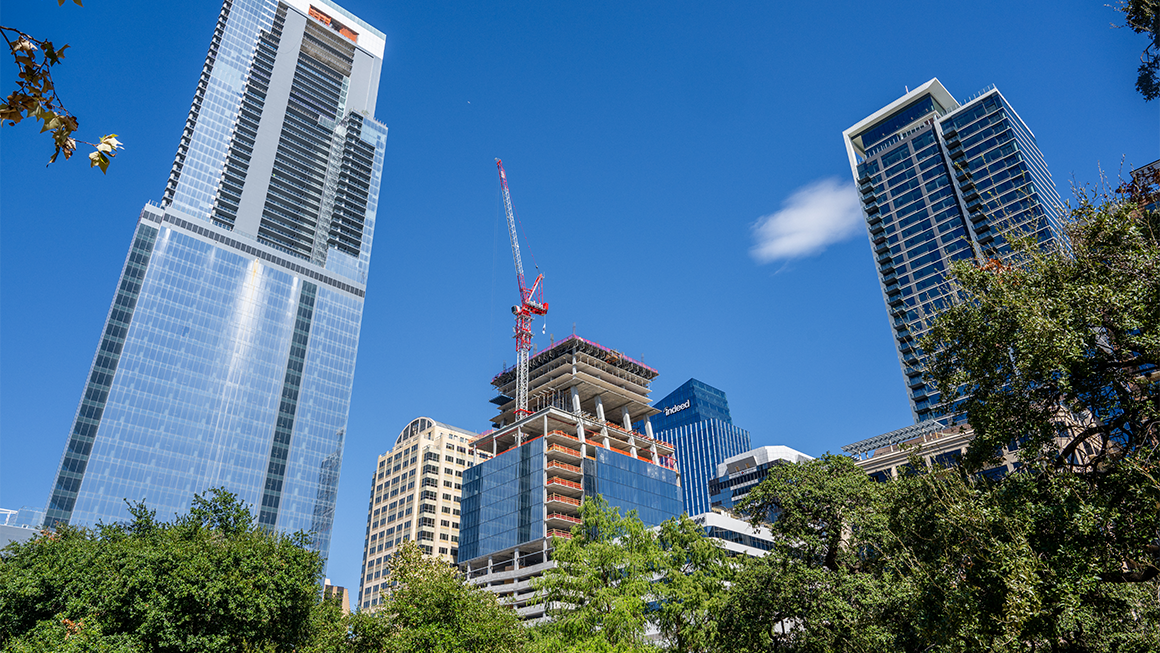
Between 2020 and 2025, four Texas metropolitan areas—Austin, Dallas, Houston, and San Antonio—accounted for 13.3 percent of total US housing supply growth.
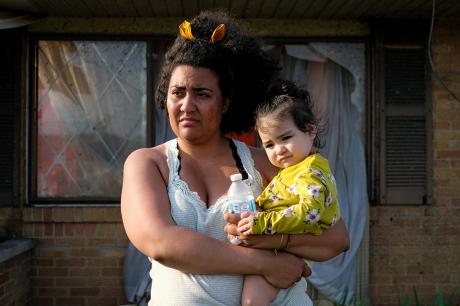
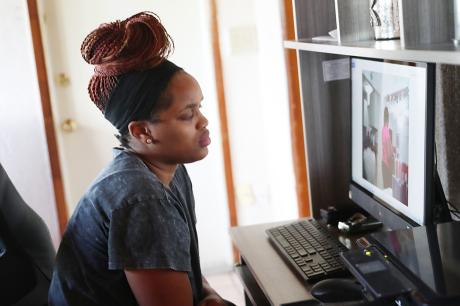
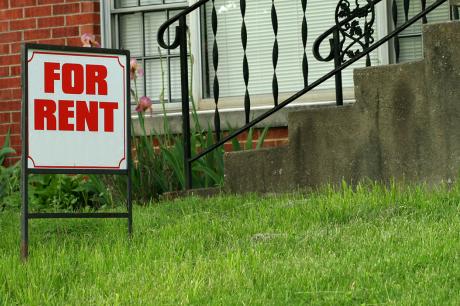
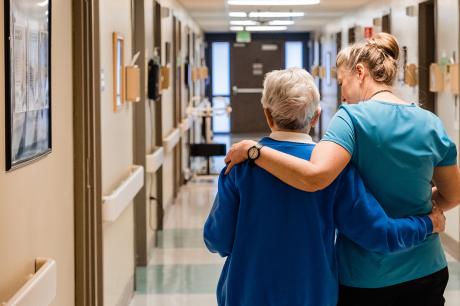
What Do “Stay-at-Home” Orders Mean for Families in Unsafe or Unrepaired Homes? Because staying at home is the best chance to slow the pandemic’s spread, policymakers can step in to ensure all homes are safe for families.COVID-19 Policy Responses Must Consider the Pandemic’s Impact on Young Renters and Renters of Color Economic volatility affects young renters more than older renters, and Black and Hispanic renters will likely face more challenges than white and Asian renters.It’s Time to Reinforce the Housing Safety Net by Adopting Universal Vouchers for Low-Income Renters We could soon see a wave of stories about people who were housed at the beginning of the pandemic but who lost their housing after the eviction moratorium was lifted.To Weather COVID-19, Rural Hospitals Might Need More Support Urban hospitals have so far been the hardest hit, but policymakers should consider rural hospitals' needs and target assistance to keep them open and equipped to serve their communities through this crisis.To Support Vulnerable Communities, Foundations and Donors Should Consider Impact Investments Impact investments will increase the amount and diversify the type of private financial capital available to help struggling nonprofits, businesses, and neighbors.Will the Pandemic Encourage Policymakers to Implement Stronger Workplace Protections for Independent Contractors? The crisis has drawn much needed attention to the gaps in workplace protections for millions of Americans in precarious jobs.