Body
Articles and analysis on today's issues
In the news:
Content Reference
Image

Summary
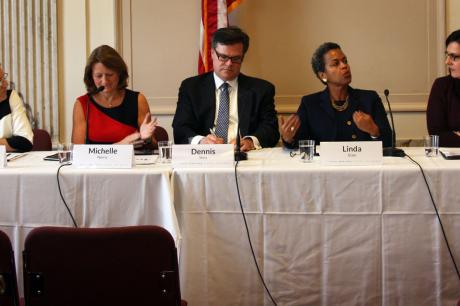
DC business leaders praise the District’s innovative, family-friendly child care policies and offer recommendations for how the child care and business sectors can overcome persistent affordability challenges.
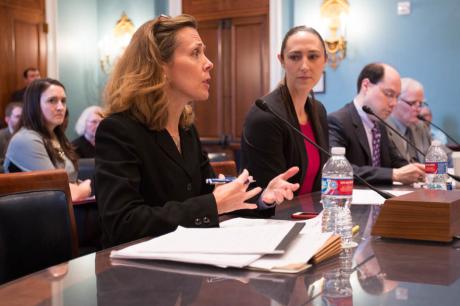
Health marketplaces made significant progress in 2015. What will happen in 2016? Most analysts predicted that enrollment would be higher in 2015 than in 2014, but what do these projections mean for the next open enrollment period?Let girls be girls: Growing up too soon in neighborhoods of concentrated poverty In some communities, harassment, domestic violence, and sexual exploitation of women and even young girls has become a part of everyday life.How do states really stack up on the 2015 NAEP? Reporting raw NAEP scores obscures a deeper narrative. New research finds a way to account for differences in student demographics among the states.To reduce the federal prison population, prosecutor behavior needs to change Since the mid-1980s, federal prison sentences for a drug offense have increased by more than a third, while sentences to probation have plummeted.For the nearly 40 percent of children who are poor for at least a year, food stamps can help provide critical stability Senior fellow Caroline Ratcliffe told a congressional committee on Tuesday why programs like SNAP are critical to a better future for poor children.For seniors, the housing burden keeps growing The high costs of housing can also mean higher costs for health, particularly for low-income seniors.