Body
Articles and analysis on today's issues
In the news:
Content Reference
Image

Summary
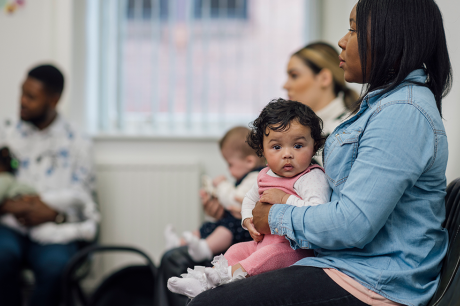
DC business leaders praise the District’s innovative, family-friendly child care policies and offer recommendations for how the child care and business sectors can overcome persistent affordability challenges.
Universal Pre-K Offers a Solution to Rebuilding Public School Enrollment Three-year-olds enrolled in prekindergarten were 35 percentage points more likely to stay in DC’s public schools through kindergarten.The Evolving Role of Single-Family Rental Investors—and How They Can Leverage Their Property Management and Rehab Capacity for Greater Impact Institutional investors’ scale and standardized processes could help expand capacity among nonprofits, small investors, and homeowners to rehabilitate and manage affordable single-family rental homes.What DC’s New Child Care Subsidy Waitlist Could Mean for the City’s Infants and Toddlers As the DC Child Care Subsidy program has grown in recent years, helping more DC families pay for child care, so has the program’s budget. Now, program costs are outpacing funding while the city faces a $1 billion budget shortfall.How the Affordability Crisis Threatens the Financial Security of Black Middle-Class Children Policies that invest in children and help their parents with affordability are key to helping families achieve financial security and be well positioned for upward mobility.How and Why AI Could Pay a Dividend to the American People AI companies train their models on our collective knowledge. Creating universal AI dividends could recognize this knowledge as the capital AI companies utilize and could support workers during potential AI-related labor market disruptions.How School-Reported Data on Student Economic Need Has Become Inconsistent—And Four Measures Policymakers Could Use Instead Changes to the national school lunch program, pandemic disruptions, and growing variation in state reporting have made eligibility for free or reduced-price meals a less reliable proxy for student economic need.