Body
Articles and analysis on today's issues
In the news:
Content Reference
Image

Summary
The rise of buy now, pay later products, which often aren’t reported to credit bureaus, could affect borrowers’ ability to buy a home and sustain homeownership.
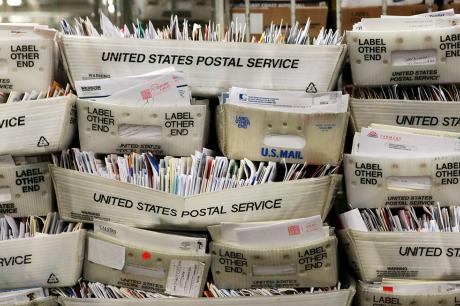
¿Quién Gana y Quién Pierde con la Sobreabundancia de Alquileres de Corto Plazo? Al diseñar políticas sobre alquileres de corto plazo, los gobiernos locales pueden considerar quiénes se benefician y quiénes se ven afectados por estos servicios para evitar agrandar las brechas sociales, raciales y de riqueza.With an Abundance of Short-Term Rentals, Who Wins and Who Loses? When designing short-term rental policies, cities can consider who benefits and who’s harmed to ensure any policies don’t widen racial, ethnic, and wealth gaps.New Prison Mail Policies Reduce Already Limited Connections for Incarcerated People New mail policies aimed at reducing contraband in prisons aren’t grounded in research—and could have negative effects on incarcerated people’s social connections and well-being.The First Gen Z Congressman Was Denied an Apartment Because of Poor Credit. For Young Adults, It’s a Common Experience. For young adults with poor credit health, not only is it more difficult to meet basic needs, but also future opportunities are closed off, creating barriers to financial resilience and upward economic mobility.Pretrial Deaths in Custody Are Prevalent but Preventable Policymakers have various options to reduce the harms of pretrial detention.GSE Capital Requirements Inhibit Incorporating Rental Payment History in Mortgage Underwriting Research has shown including rental payment histories in mortgage underwriting can increase access to homeownership, but capital requirements prevent federal housing agencies from expanding their use of rental payment history.