
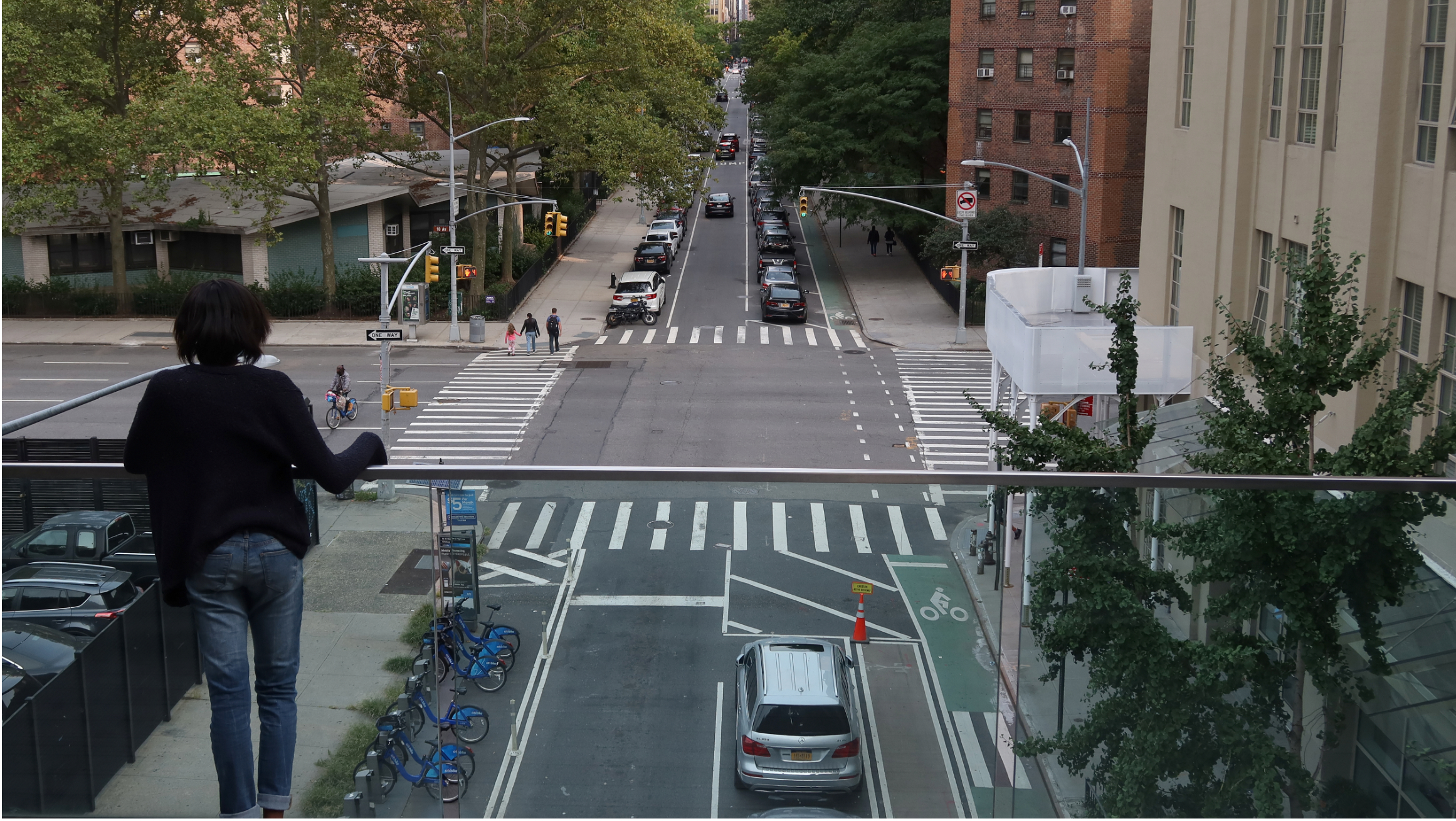
Since the first phase of the High Line opened in New York City’s West Chelsea neighborhood in 2009, it has been one of the most celebrated urban redevelopment projects in the world. Lauded for transforming an abandoned elevated railway into a public space, it quickly became a major cultural attraction, drawing millions of visitors annually and generating billions of dollars in real estate investment and city tax revenues.
But its success has made it a symbol of “green gentrification”—the idea that new civic assets, like parks, increase land values and housing costs, ultimately displacing residents.
This narrative oversimplifies the High Line’s role in West Chelsea’s transformation. Understanding it requires looking beyond the park to broader demographic trends, zoning changes, and other pressures that were already transforming what had long been a largely industrial corridor. The High Line was a key part of this transformation, but it was not the only driver.
Residential change around the High Line
The High Line runs through the western part of Manhattan’s Chelsea neighborhood between 14th Street and 34th Street, primarily between 10th and 11th Avenues. In 2000, just 1,155 people lived in this corridor west of 10th Avenue, accounting for fewer than one-tenth of 1 percent of the borough’s population. More than half of the area’s census blocks had no residents. The Bayview Correctional Facility (which closed in 2012) housed 443 people in 2000: 38 percent of the area’s total population.
The population increased substantially in the ensuing decades, reaching 1,945 residents in 2010 and 8,321 in 2020. But even after this growth, the area accounted for less than half of 1 percent of Manhattan’s population. By comparison, the already-residential blocks between 8th and 10th Avenues and 14th and 34th Streets housed 34,000 residents in 2020.
Much of this growth came from newer, relatively wealthy residents. According to the 2018–22 American Community Survey, only 7 percent of West Chelsea households had lived in their current unit before 2010, compared with 42 percent in Chelsea between 8th and 10th and 41 percent in Manhattan. Meanwhile, median household incomes in West Chelsea grew from 129 percent of the Manhattan median in 2000 to between 149 and 250 percent of the boroughwide median by 2020.
Zoning, planning, and economic change
However, looking only at residential change misses a key part of the story. The High Line was built in an area that remained industrial into the 1990s and 2000s. Considering how redevelopment affected businesses and employment is also important for understanding the High Line’s impact.
West Chelsea was already changing before the High Line opened. Art galleries started moving into the neighborhood in the late 1990s, drawn to the neighborhood’s low rents and industrial buildings with open floor plans and easy loading access. By the mid-2000s, it had displaced SoHo as the city’s most prominent gallery neighborhood (even if, unlike SoHo, it was not known as an artist residential community). At the same time, the Meatpacking District at the corridor’s southern end emerged as a retail and nightlife destination, tech firms were expanding in the neighborhood, and plans for the massive nearby Hudson Yards project were moving forward.
Together, these events transformed the neighborhood’s business makeup. Small businesses like print shops, garages, auto repair shops, and meatpacking businesses were replaced by galleries, tech offices, and retail as commercial rents increased rapidly. Older businesses, even when not directly forced out, found fewer reasons to stay. When the last meatpacking business left the district in 2024, the owner stated: “We’re well aware there are far better uses for this property than an aging meat warehouse. I’m not really sad at all. It was time and that it was no longer the best use of the location.”
The High Line came into being as these changes were already underway, but it did have a direct impact on how redevelopment unfolded. In 2005, the city created a Special West Chelsea District, rezoning much of the area from industrial use to allow for mixed-use commercial and residential development. It also allowed owners of lots adjacent to the High Line to transfer development rights to other sites in the corridor. This rezoning was intended to protect midblock nonresidential uses, particularly art galleries, and channel development along 10th Avenue.
What the High Line’s legacy teaches us about redevelopment
The history of West Chelsea shows how much policy choices can shape redevelopment outcomes. The area’s industrial use persisted so long largely because zoning restricted alternative uses. When zoning changed, redevelopment followed. Viewing it only through a residential displacement lens misses a lot of the story.
That’s not to say concerns about displacement should be dismissed. The High Line rezoning represented a missed opportunity to push for more affordable housing in the area, given how the rezoning increased property values. It also suggests this redevelopment has more in common with the more recent rezoning of the Gowanus neighborhood in Brooklyn, which also had been largely nonresidential, than with the rezoning of an already-mature residential neighborhood.
The High Line’s story raises broader policy implications. Cities need housing, but to remain generators of wealth and well-being, they also need places to work. In high-cost cities such as New York, expanding housing supply often requires rezoning areas previously used for industrial and commercial activities.
Making these decisions requires looking not only at the residents who may be displaced, but also the businesses, employees, and industries that may have to leave or adapt. For planners, advocates, and developers reimagining industrial infrastructure into public spaces and civic assets, the High Line shows it is important to consider the full impact of these projects on the local social and economic fabric while remembering that those impacts do not take place in a vacuum.
