
Hurricane Isaias came ashore near Destin, Florida, in the late hours of Friday, October 9, making it the first landfalling hurricane in the continental United States in two years.
As communities across the Florida Panhandle and central Gulf Coast assess damage from the storm, many local leaders and media will focus on the flooded homes, downed trees, damaged infrastructure, and power outages. But past hurricanes have shown that disaster recovery is also a public health challenge with less visible health-related outcomes emerging in the days, weeks, and even years after the storm.
Our team recently concluded a three-year study of the health impacts of hurricanes in the Gulf Coast. We interviewed dozens of residents, health care providers, emergency managers, and community stakeholders in Florida and Mississippi who experienced Hurricanes Irma, Katrina, and Michael. Our research points to three health challenges leaders should prioritize during the recovery from Isaias and before future hurricanes.
Communities need access to health care even when local health care delivery systems are stressed
Health care needs often increase after hurricanes even as health care systems face significant operational challenges. The residents and providers we interviewed described how storm damage, power outages, transportation disruptions, and facility closures limited access to emergency care. Hospitals and clinics faced surges in demand while operating with reduced capacity.
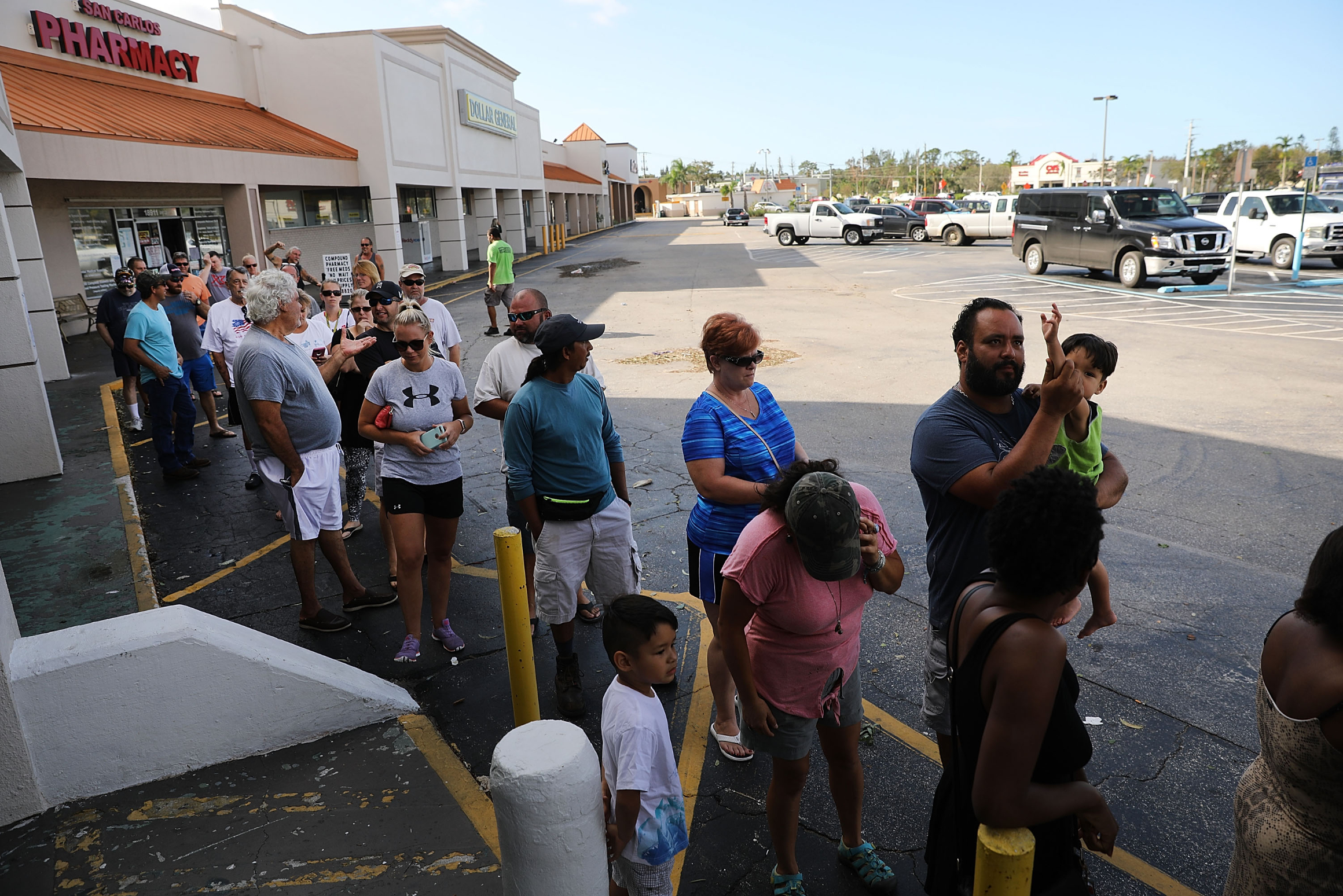
These disruptions extended well beyond emergency rooms. Participants described closures of doctor’s offices, pharmacies, clinics, and specialist treatment centers, leading to difficulties obtaining prescription medications, accessing specialty care, replacing medical supplies, and attending routine appointments. In some cases, provider offices remained closed because they lacked electricity or staffing.
“My mom’s doctor’s office wouldn’t see them because there was not electricity. When I called my primary, they said they would just accept the severely ill because there was no way they were going to be able to see everyone.”
—Hurricane Irma focus group participant
For residents who are dependent on dialysis, insulin, or blood pressure medication, these disruptions could quickly become medical emergencies.
Before disasters, health care facilities can reduce the likelihood of disruptions by investing in resilient infrastructure and redundancy, evacuation protocols for at-risk patients, and continuity of care plans. After a storm, affected facilities can turn to their community partner networks to help their patients access care.
Gulf Coast interviewees also described how health care barriers that existed before hurricanes can become more severe during and after storms. Residents without insurance, people with limited English proficiency, immigrants, and lower-income households were often less equipped to navigate health care systems and determine where services were available.
“As far as I know, people have not gone to seek and obtain care they need either out of fear because of their legal status or because they aren’t sure what’s going to happen. They’re afraid. They don’t have insurance, so they aren’t sure they’ll be taken care of after all.”
—Hurricane Irma interviewee
Restoring health care access requires more than keeping clinics and hospitals open. People need trusted information, options to acquire back-up medical supplies, assistance navigating health care systems, and accessible options for receiving care, including pop-up clinics and resilience hubs. Sant La Haitian Neighborhood Center in Miami, for example, disseminated information about resources in Haitian Creole and helped connect residents to health and social services after Hurricane Irma.
Conditions in the home can become serious health risks in the short- and long-term
For many, the greatest health risks after a hurricane begin at home. Prolonged power outages can prevent residents from refrigerating medications, operating life-sustaining medical equipment, and maintaining safe indoor temperatures. Higher temperatures can increase strain on the heart and lungs, which poses a significant health risk for those with underlying cardiac or respiratory conditions. Many in the Gulf are facing these risks now, as three days after Isaias made landfall, hundreds of thousands of households were still without power.
Water-related infrastructure failures may expose people to contaminated floodwater or wastewater spills, as seen after Hurricane Irma. This exposure can increase the risk of illness and infection. The combination of moisture in homes, humidity, and lack of air conditioning quickly leads to mold in the Gulf region—often within 24 to 48 hours. Mold may exacerbate asthma or cause headaches and skin irritation.
“All that [mold] starts hiding in the walls. It’s in the house before you see it.”
—Hurricane Michael focus group participant
Many interviewees noted that these challenges disproportionately affect older adults, lower-income households, renters, and people with mobility limitations. Many of these groups may struggle to evacuate, and the health risks stemming from conditions at home can continue long after floodwaters recede and power is restored.
What can be done? The local leaders we interviewed highlighted the importance of place-based support networks during recovery. Community organizations, faith-based groups, and informal neighborhood networks can identify vulnerable residents, distribute resources, and connect households to assistance to mitigate moisture issues. For example, Back Bay Mission, a trusted community-based organization in Biloxi, Mississippi, established a program to fix and install air conditioning units after Hurricane Katrina.
Mental health challenges can persist long after the storm
Hurricanes can also cause long-term mental health challenges like post-traumatic stress disorder, anxiety, and depression—especially for youth, older residents, and first responders. Experts and residents described numerous mental health issues after Hurricanes Michael, Irma, and Katrina that stemmed from traumatic storm experiences, disrupted school or social routines, loss of employment, and prolonged displacement and uncertainty. But these health challenges are often not a priority for residents and recovery professionals.
“You don’t care about going to a therapist if you don’t have a car to get to work.”
—Hurricane Michael focus group participant
Sustained support for mental health recovery can make a huge difference for communities. Communicating with residents about the importance of mental health and opportunities to access therapy and other mental health services can help residents recover emotionally and return to regular diet and exercise. After Hurricane Michael, several churches in Bay County, Florida hosted doctors who could treat residents suffering from post-traumatic stress.
Looking beyond the immediate recovery
The experiences of Gulf Coast residents suggest that health outcomes are shaped by much more than access to medical care. Housing conditions, the recovery of utilities, the functioning of transportation services, and residents’ ability to access resources all influence how well public health recovers—in the near- and long-term. Recovery from Isaias and preparation for future storms will require intentional coordination across health, emergency management, and community stakeholders.
