Body
Translating evidence into impact
Content Reference
Image
Summary
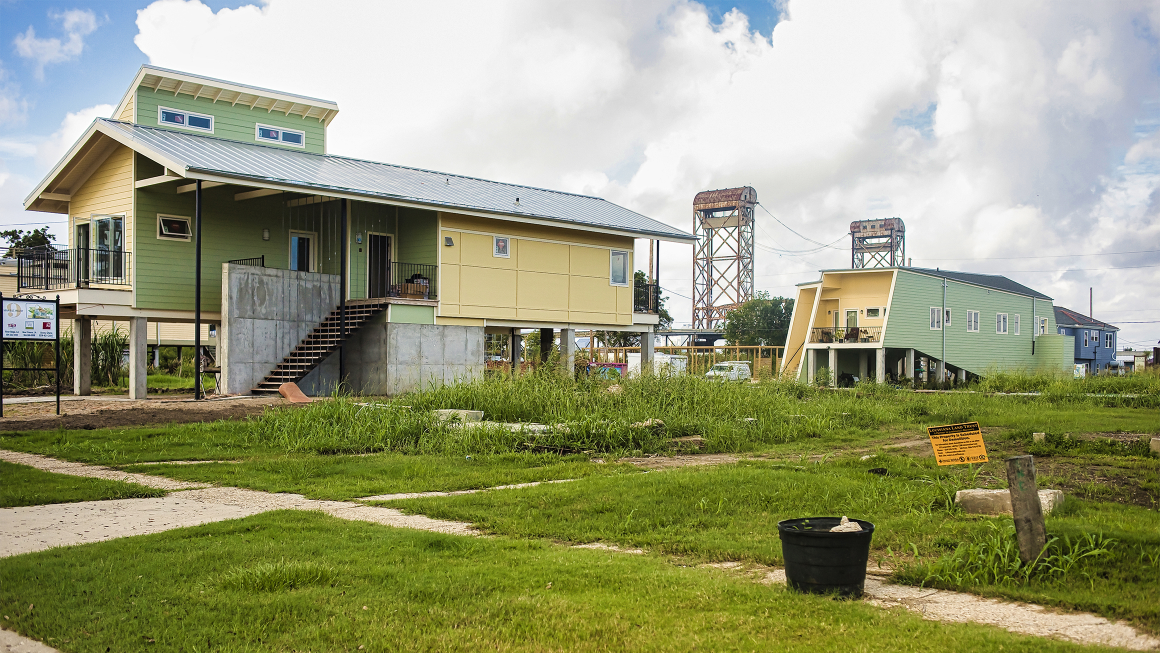
Place-based data about how disasters have affected the Gulf Coast since Hurricane Katrina and the federal government’s role in managing extreme events.
Story In New York, an Artist Employment Program Funded 300 Artists to Work with Local Community Organizations Creating stable employment opportunities for artists can improve their financial well-being while also helping community-based organizations strengthen their community ties.
Story Segregation in the Low-Wage Workforce Over the past 50 years, the composition of the low-wage workforce has changed: more than half of low-wage workers are now people of color, up from just 20 percent in 1971. Today, Black, Latino, and women workers are more likely to be segregated into worse-quality and lower-paying jobs.Story Why Investing in Community-Led Initiatives Is Crucial to Helping Families Thrive We spoke with five advocates and community leaders working to connect children and families in Baltimore’s Upton and Druid Heights neighborhood with the resources they need to live healthy and successful lives.
Story Nine Charts about Wealth Inequality in America Explore how wealth inequality has varied across race, age, and time in the US over the past 60 years, what’s driving inequities, and how policymakers can close these gaps and help all Americans build wealth.Story How School Officials and Housing Developers Can Partner to Desegregate Communities Deeply entrenched neighborhood segregation has foiled many school integration efforts, with school officials and housing stakeholders often working in silos instead of in partnership.Story Supporting Women of Color Experiencing Homelessness as Individuals in Los Angeles Women of color experiencing homelessness as individuals are a growing population, but policy and program changes could help them exit homelessness and access permanent housing.