Body
Articles and analysis on today's issues
In the news:
Content Reference
Image

Summary
To use AI tools effectively, local leaders must optimize documents and information for AI, implement guardrails, and rely on human expertise to evaluate risks and benefits.
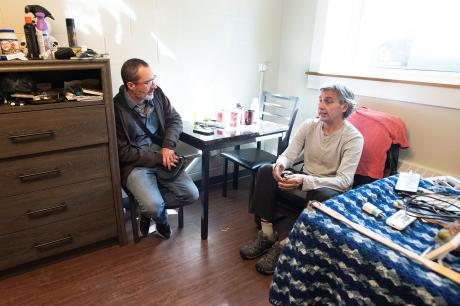
Three Facts Communities Should Know about Unsheltered Homelessness and the Joint Transitional Housing/Rapid Re-Housing Model Over the past decade, the number of people experiencing unsheltered homelessness rose nearly 60 percent. New research sheds light on how TH/RRH could alleviate the problem.Evidence Shows Permanent Supportive Housing Helps People Exit Homelessness. A Proposed Funding Change Would Cut Those Programs. A proposed shift in federal funding away from permanent supportive housing solutions could push tens of thousands of people out of their housing program overnight.Cutting Federal Transit Funding Won’t Fix Budget Shortfalls. But It Would Make Transportation Less Affordable for Americans. A proposal to eliminate federal public transit funding would not only fail to address the existing funding gap but would also leave millions of Americans, particularly those in small rural communities, without transportation options.The Reauthorization of Federal Transportation Programs Offers Policymakers an Opportunity to Improve Effectiveness, Environmental Sustainability, and Access Federal policymakers should consider three strategies to guide deliberations around reauthorization and improvement of Americans’ quality of life.As Residents Struggle with Rising Costs, Local Leaders Can Help Them Build a Cushion of Wealth As the cost of living rises nationally, local leaders need, more than ever, data on the financial health of their residents to ensure they have the wealth to weather unexpected expenses.Second-Chance Hiring Can Help Fix America’s Labor Shortage Despite perceptions that there aren’t enough jobs, data show there are more jobs than workers. Research shows hiring justice-affected people can yield benefits for individuals, employers, and society.