

Communities across the country are grappling with persistent, visible homelessness, which has increased to record highs in recent years. At the same time, national and local leaders have become more vocal about the challenges of severe, public substance use, with the emergence of xylazine and medetomidine introducing new health risks, including severe wounds and difficult-to-manage withdrawal symptoms, and complicating treatment options.
While high housing costs have driven rising homelessness rates, some people experiencing homelessness, especially those with long histories of being unsheltered and having unmet heath care needs, have serious substance use and mental health conditions. As such, many people see unsheltered homelessness and public substance use as inextricably intertwined.
The most recent data from California show that about 35 percent of people experiencing homelessness reported regular illicit drug use. The same study found that one in five people struggling with homelessness and substance use wanted treatment but couldn’t get it. An Urban Institute study on women experiencing homelessness in Los Angeles found that one in three couldn’t get treatment. Though overdose deaths have decreased nationally, these unmet health care needs among people experiencing homelessness still have devastating consequences:
- People experiencing homelessness in Los Angeles died at a rate 49 times greater than the general population, with approximately half of deaths attributed to overdoses in 2023.
- From 2004 to 2018, fatal drug overdoses increased 81 percent among adults experiencing homelessness served by the Boston Health Care for the Homeless Program.
- Overdoses from synthetic opioids increased by 1,400 percent from 2013 to 2018 among the same population.
To meet the complex treatment and housing needs of people struggling with substance use while experiencing homelessness, Urban brought together state and local leaders, service providers, funders, and researchers to explore promising approaches emerging across the country. This convening aimed to build a shared understanding of the challenges, facilitate peer learning, and identify priorities for future research, evidence building, and system-level solutions.
In this article, we describe four innovative approaches highlighted in these discussions, including high-acuity shelter models and coordinated crisis-response systems.
Coordinated Outreach and Pathways from Crisis Systems to Housing in Dallas, Texas
To help people with needs that exceed the capacity of any single system, the All Neighbors Coalition, led by Housing Forward, created the Complex Needs Workgroup as part of its broader Street to Home initiative (PDF). At any given time, approximately 50 people who frequently cycle between hospitals, jails, crisis facilities, shelters, and the streets receive intensive support through the effort.
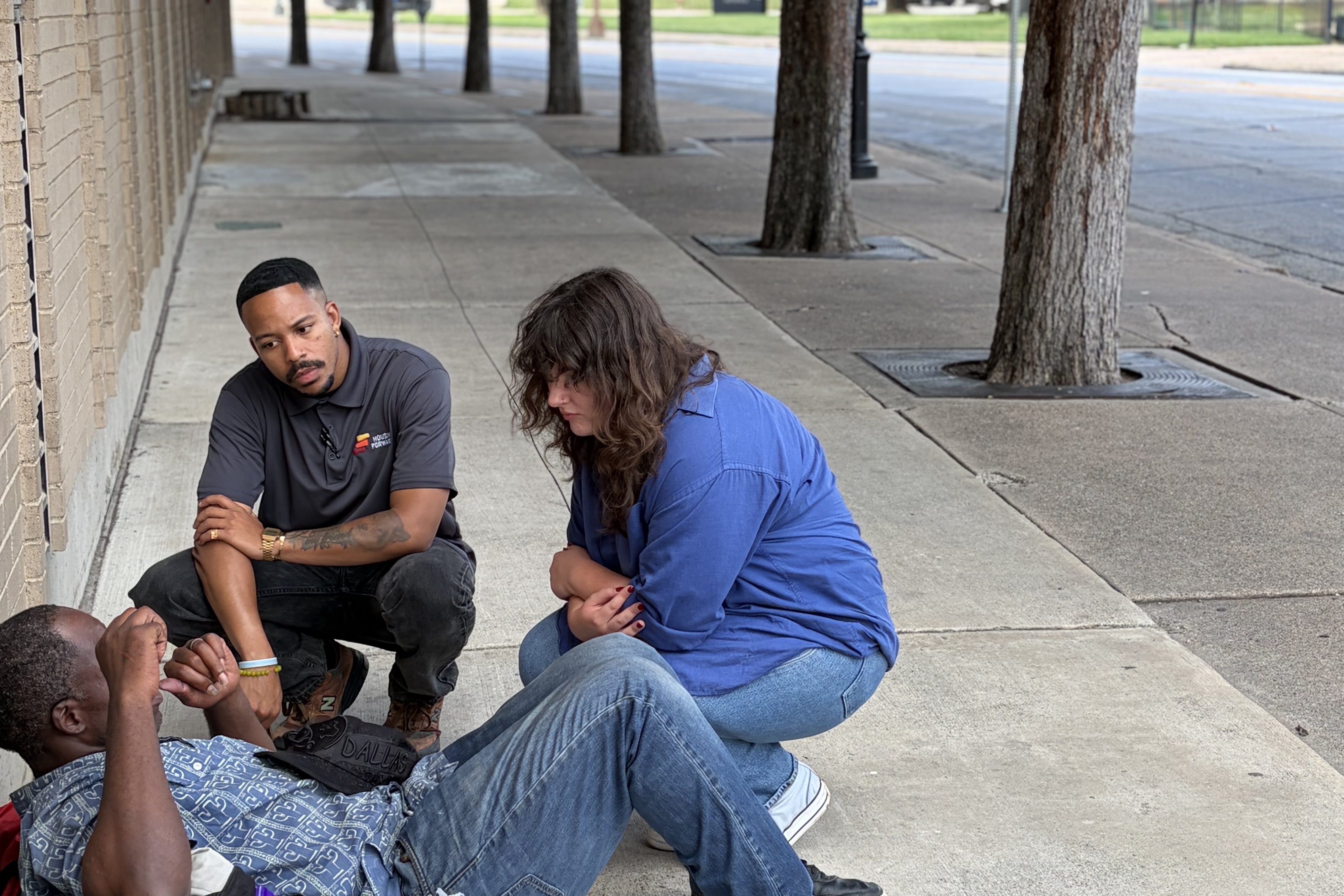
The model emphasizes active coordination and continuity of care. Housing Forward convenes partners from across the homelessness response, behavioral health, health care, criminal justice, and public safety systems to develop and coordinate individualized, housing-centered care plans for participants. Participating agencies meet regularly to review cases, coordinate next steps, and facilitate direct, warm handoffs between systems. When people come into contact with hospitals, jails, crisis services, or other institutions, participating agencies work together on assessments, placements, and service transitions to reduce the likelihood that they return to unsheltered homelessness.
Stakeholders associated with the workgroup emphasized that many people with complex needs require multiple engagements before they are willing or able to accept services, making long-term relationship building and flexibility critical to success. Rather than creating entirely new programs, the workgroup aligns existing resources and connects people to the level of care they need, including crisis stabilization, drug treatment, permanent supportive housing, and other supportive settings.
“The homelessness response system alone does not have the resources or expertise to meet these individuals’ needs. The workgroup creates a structure for shared accountability across systems, with partners taking collective responsibility for finding a path to treatment, housing, and lasting stability. There is a shared understanding that if this group cannot find a solution, there is no other team waiting to step in—and leaving someone without a path forward is not an acceptable outcome.”
—Rachel Wilson, Systems Transformation and Policy Lead, Housing Forward
Enhanced Service Model for Residents in Denver, Colorado
Recognizing the changing drug supply in Denver and increases in overdose-related mortality, the Social Impact Partnerships to Pay for Results Act Housing to Health program partners decided to implement an enhanced service model to address their clients’ substance use and behavioral health needs. This harm reduction model is funded by the Caring for Denver Foundation and supports improved access to drug intervention strategies and treatment to reduce overdoses and improve Housing to Health residents’ health. These strategies include on-site medication for addiction treatment services and contingency management to treat substance use disorders.
Contingency management is a client-centered, evidence-based treatment for substance use disorders and is widely recognized as the most effective behavioral intervention for stimulant use disorder, a condition without federally approved medications. In Denver, contingency management is a voluntary 16-week program in which a cohort of Housing to Health residents can earn prizes for completing a range of recovery-oriented activities, including taking and passing urine drug screens, engaging in supportive services, and achieving individualized recovery goals.
“It keeps up the excitement, feeling like you won something. Constantly failing at sobering up is discouraging. Feeling like you’ve accomplished something is really important. It’s what keeps us coming back.”
—Contingency management participant
Program participants are incentivized to reach their sobriety goals and receive peer support through weekly meetings. They can also engage in medication for addiction treatment services through on-site access to a nurse practitioner and psychiatrist. The enhanced service model also includes increased access to naloxone and staff trained on effective substance use reduction strategies.

Additionally, Denver Health coordinates with housing providers to provide outpatient substance use services and to connect or reconnect clients in the emergency department or hospital with the Housing to Health program. Through these interventions, Housing to Health project partners provide more access to tools clients can use to reduce their substance use and improve their overall health and well-being. Urban is evaluating the enhanced service model in Denver to document successes, challenges, and early findings.
Combining GLP-1 medications with Housing and Recovery Supports in Rhode Island
In Rhode Island, the OpenDoors She Thrives program has taken a novel approach to reducing substance use: access to GLP-1 medications. While commonly used for diabetes and weight loss, researchers are beginning to explore the medication’s potential to reduce substance use cravings. To date, the evidence for GLP-1s and substance use reduction mostly comes from observational studies and a few small clinical trials, primarily in alcohol use disorder. GLP-1s are not federally approved to treat any substance use disorder.
The She Thrives program offers women with recent histories of justice involvement or homelessness and who are struggling with substance use and housing instability an intensive suite of services tailored to their circumstances and goals. This combined approach can include transitional housing, trauma-informed case management, peer recovery coaching, housing stabilization, telehealth with clinical providers, and access to GLP-1 medications. The program serves women with extensive histories of trauma, homelessness, incarceration, and repeated interaction with addiction treatment systems, many of whom have not experienced sustained success through conventional treatment approaches.
Rather than treating medication as a stand-alone solution, the program embeds it within a broader framework of housing stabilization and recovery services. This wraparound design acknowledges that long-term recovery and housing stability are often mutually reinforcing and that advancements in one can support progress in the other.
“Every organization that cares about doing something about the addiction crisis is badly in need of new tools, and GLP-1’s are a promising treatment that could potentially transform addiction recovery. After what I’ve seen firsthand I'm convinced that they more than likely are the best treatment available for alcohol addiction.”
—Nick Horton, Coexecutive Director, OpenDoors
Early findings from OpenDoors’ She Thrives evaluation (PDF) suggest that integrated housing and recovery approaches may hold promise. Participants reported improvements in overall well-being and reductions in substance-use cravings, while the program achieved strong levels of engagement and retention among people who had cycled through multiple treatment and service systems.
Because there is no comparison group, we cannot separate any effect from the medication from the housing and recovery supports. Still, these findings, preliminary and based on a small sample though they are, invite new and innovative thinking around potential treatment approaches to address housing instability and complex behavioral health needs. Moving forward, this comprehensive, person-centered model warrants continued attention and evaluation.
Building a Wellness Ecosystem in Philadelphia, Pennsylvania
Philadelphia’s Wellness Ecosystem Initiative seeks to address the interconnected challenges of homelessness, substance use disorders, serious mental illness, and public safety by expanding and coordinating services across multiple systems. The initiative emerged from a 2024 convening hosted by Mayor Cherelle L. Parker where health care, behavioral health, and treatment providers helped the mayor and her team identify gaps in Philadelphia’s response to people with complex needs.
Rather than relying on a single intervention, the city decided to invest in a range of strategies—including enhanced street outreach, treatment and recovery services, recovery housing, and diversion programs—to fill gaps and help people experiencing homelessness achieve greater stability.
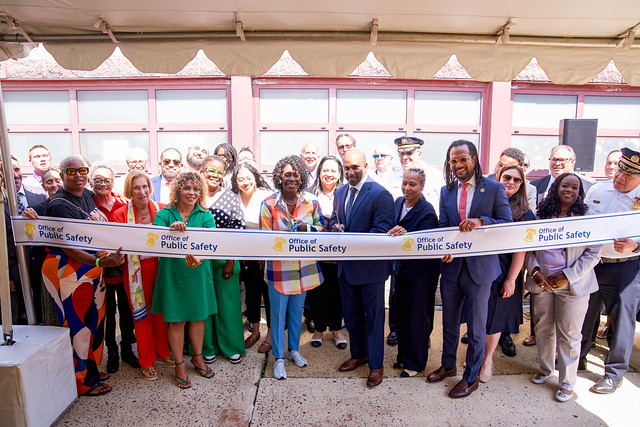
Two key components of this effort are the Riverview Wellness Village and the Kensington Wellness Support Center. The Riverview Wellness Village expanded Philadelphia’s recovery housing capacity by adding more than 300 beds. The village also offers residents on-site health care, behavioral health services, employment supports, and life-skills programming.
The Kensington Wellness Support Center provides assessment, stabilization, and connections to treatment through a centralized service hub that brings together medical and behavioral health care, addiction treatment, housing and domestic violence services, and an on-site judge so that eligible participants can receive same-day assessments, judicial review, treatment referrals, and wraparound supports in lieu of traditional criminal justice processing.
“Mayor Cherelle L. Parker has encouraged us to develop programs and initiatives through the lens of a “One Philly” approach, which means we work across departments and create partnerships with City Council, nonprofit and for-profit partners to get things done more efficiently and effectively. The City’s Wellness Ecosystem Initiative is a great example of how this approach works.”
—Crystal Yates-Gale, First Deputy Managing Director
Building the Evidence Base: What’s Next?
We know a great deal about what works to end homelessness, but in this moment, communities are struggling to address the complex needs of people whose crises often unfold in public. Even with the innovations described above, communities face ongoing challenges around funding instability, data sharing, workforce capacity, and public perception.
By sharing practical lessons, collecting meaningful data, and rigorously evaluating outcomes, local leaders and researchers can turn local innovation into evidence-based solutions. Now is the time to invest in what works. By building capacity and implementing new and promising efforts, communities can reduce the significant human and financial costs of repeated crisis response.
