
The Urban Institute CAB included 10 consumer advocates and individuals from various backgrounds with firsthand experience with and expertise on the Medicaid program.

Jessica Aguilar is a dedicated advocate for families of children with intellectual and developmental disabilities (IDD) and mental health special needs. As a parent of twins who navigate these challenges herself, Jessica brings both personal experience and professional expertise to her work. With a Bachelor of Arts in Economics and substantial expertise in community development, she has become a leading voice for Latino families seeking access to essential services and support. As the co-founder and Executive Director of the Power and Hope Support Group, Jessica has spearheaded initiatives that empower parents and cultivate a network of support among families dealing with similar challenges. Under her leadership, the organization has fostered an inclusive environment where Latino families can voice their needs and advocate for effective services.

Rodney Dawkins has dedicated over five years to the National Health Care for the Homeless Council Steering Committee, with a term as its chair. Over the past seven years, he has been a community health worker at Heartland Health Outreach and has engaged with a local campaign advocating for fairness in public housing. His extensive involvement includes prior roles as a National Consumer Advisory Board member-at-large, cochair, and chair.
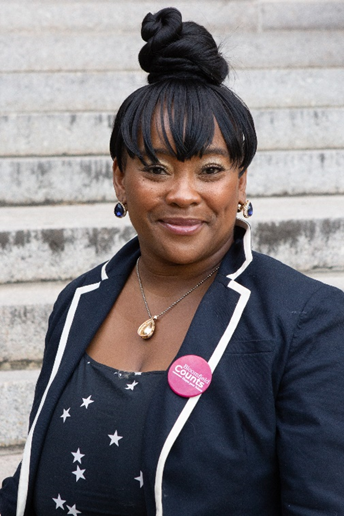
Kasey Dudley-Toney is the director of early childhood development at Healthy Systems "Evidence to Impact" within National Family Voices. Previously, she directed the Parents as Champions for Healthy Schools project at the Statewide Parent Information Center in New Jersey and acted as the Family Engagement Specialist for the Autism Medical Home at Hackensack University Medical Center.
With an advertising degree and as a graduate fellow of the Leadership Education in Neurodevelopmental and Related Disabilities programs at Rutgers University, Dudley-Toney consults on clinical practices at the Center for Study of Social Policy Brain Trust. She is also the cochair for the American Academy of Pediatrics Council on Children with Disabilities DEI workgroup.
Dudley-Toney is a certified community doula, lactation counselor, and licensed clinical massage therapist specializing in infant and prenatal massage and sensory integration for children with special healthcare needs. Her expertise spans parent-led Head Start training, cultural competence panels, discussions on pertinent issues like Black infant mortality and education system disparities, and guest speaking engagements for the American Academy of Pediatrics and the March of Dimes.
Dudley-Toney is a member of the Bloomfield for Civil Rights and a cofounder of the annual Juneteenth Observance Committee. Elected as a board member for the Bloomfield Board of Education in 2021 and sworn in as its first African American woman vice president in 2023, Dudley-Toney leadership is recognized through inductions into the Bloomfield Historical Society and congressional recognition from New Jersey Congresswoman Mikey Sherrill.
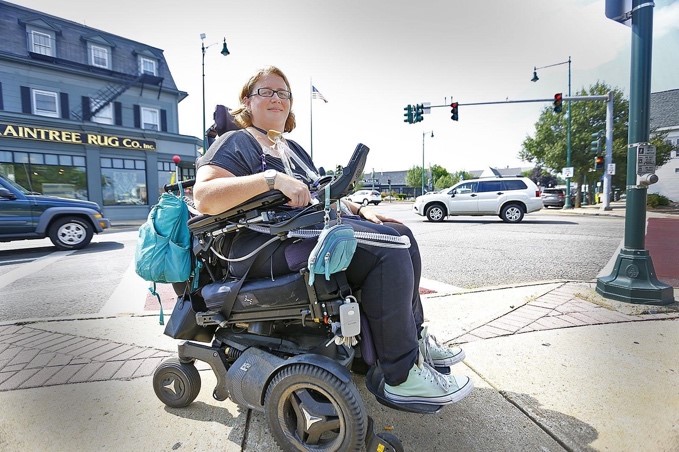
Crystal Evans, a Medicare-Medicaid eligible consumer from Braintree, MA, lives with mitochondrial myopathy, a genetic neuromuscular disease. Evans’ health care advocacy journey began as a young adult facing homelessness due to a lack of health care access. She is raising her daughter, Sophie, who is also disabled. She is passionate about the challenges parents living with disabilities encounter, especially within the health care system, the needs of medically complex individuals, and rare disease advocacy.
Evans founded Advancing Community inClusion and Equality on the South Shore, a grassroots civil rights group. Crystal serves on the Braintree Commission on Disabilities, Massachusetts Executive Office of Health and Human Services One Care Implementation Council, and cochairs the Massachusetts Department of Public Health’s Disability Partnership.

Drayton Jackson is a leading advocate for dismantling barriers those in poverty and surviving homelessness face. He cochaired Governor Jay Inslee's Poverty Reduction Work Group, shaping strategies for Washington’s 10-year poverty eradication plan. He also served as vice chair of the Head Start Association's parent-run Policy Council, boosting father involvement through organized monthly meetings. As a parent ambassador with the Washington State Association of Head Start and Early Childhood Education and Assistance Program, Jackson championed 12-month authorization policies to safeguard child care for parents who lost services.
Jackson was elected student body president of Olympic College, overseeing $10 million in student funds, advocating for homeless students, bolstering policies for students in poverty, and enhancing campus safety. He served two terms on the Kitsap Sun editorial board. In 2020, he started the Foundation of Homeless and Poverty Management, steering it into a top Kitsap County nonprofit that has helped families and individuals with over $300,000 in rental assistance.
As executive director, he employs a two-generational approach to help families get from homelessness to housing. Jackson is an elected official serving as president of the Central Kitsap School District Board of Directors and on the Kitsap Public Health Board.

Whitney Lee is an autistic disability rights and mental health activist who redirected their efforts to autism and mental health advocacy after becoming chronically ill while studying to be a wildlife educator. They established Neurodiverse Utah, a grassroots coalition of community activists and freelancers led by autistic individuals. They are currently consulting on a suicide prevention study focused on autistic adults.
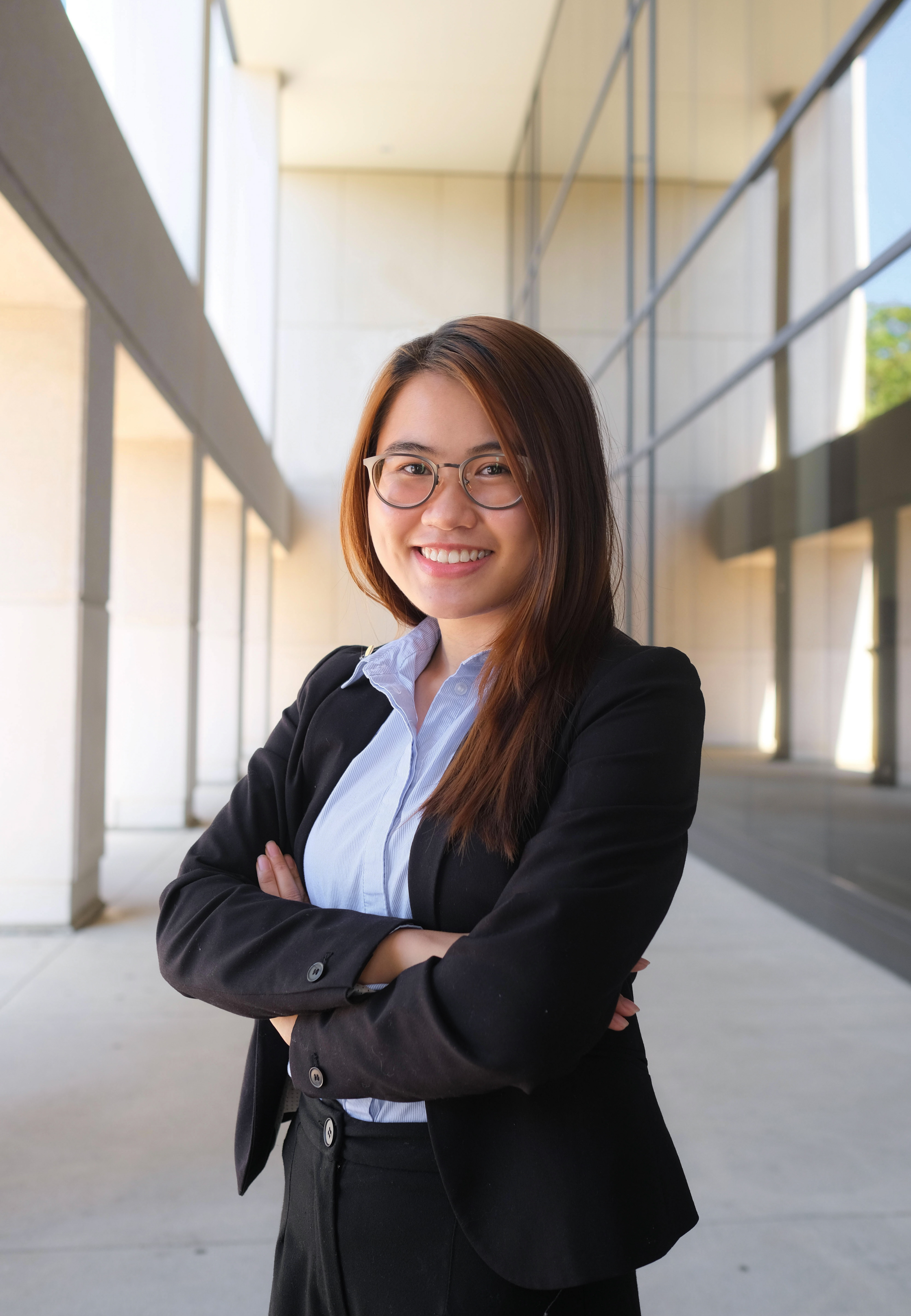
Dung Ngo recently graduated from George Mason University with a degree in community health and clinical science. With aspirations of becoming a physician and dedicated advocate for public health, Ngo focuses on understanding the impact of social determinants of health-on-health outcomes. She is also passionate about health behaviors and eliminating barriers to achieving health equity. Ngo has worked with students with autism spectrum disorder and mentored low-income students from Title I schools, aiding them in college applications.

Shereese Rhodes is an award-winning parent advocate and Washington state leader, has served as parent ambassador for Head Start and the Early Childhood Education and Assistance Program, and is a member of Governor Jay Inslee's Poverty Reduction Work Group Steering Committee. She is a certified peer counselor who trains others in impactful advocacy, particularly in mental health and healthcare system restructuring.
Rhodes is committed to modeling change for future generations and addresses issues like the opportunity gap and expanding equitable access to early landing. She shares how education has transformed her life, her experiences leaving a domestic violence situation as a parent, and how the Early Childhood Education and Assistance Program has helped her daughter thrive. She envisions an education system that shifts toward an asset-based perspective for all families.
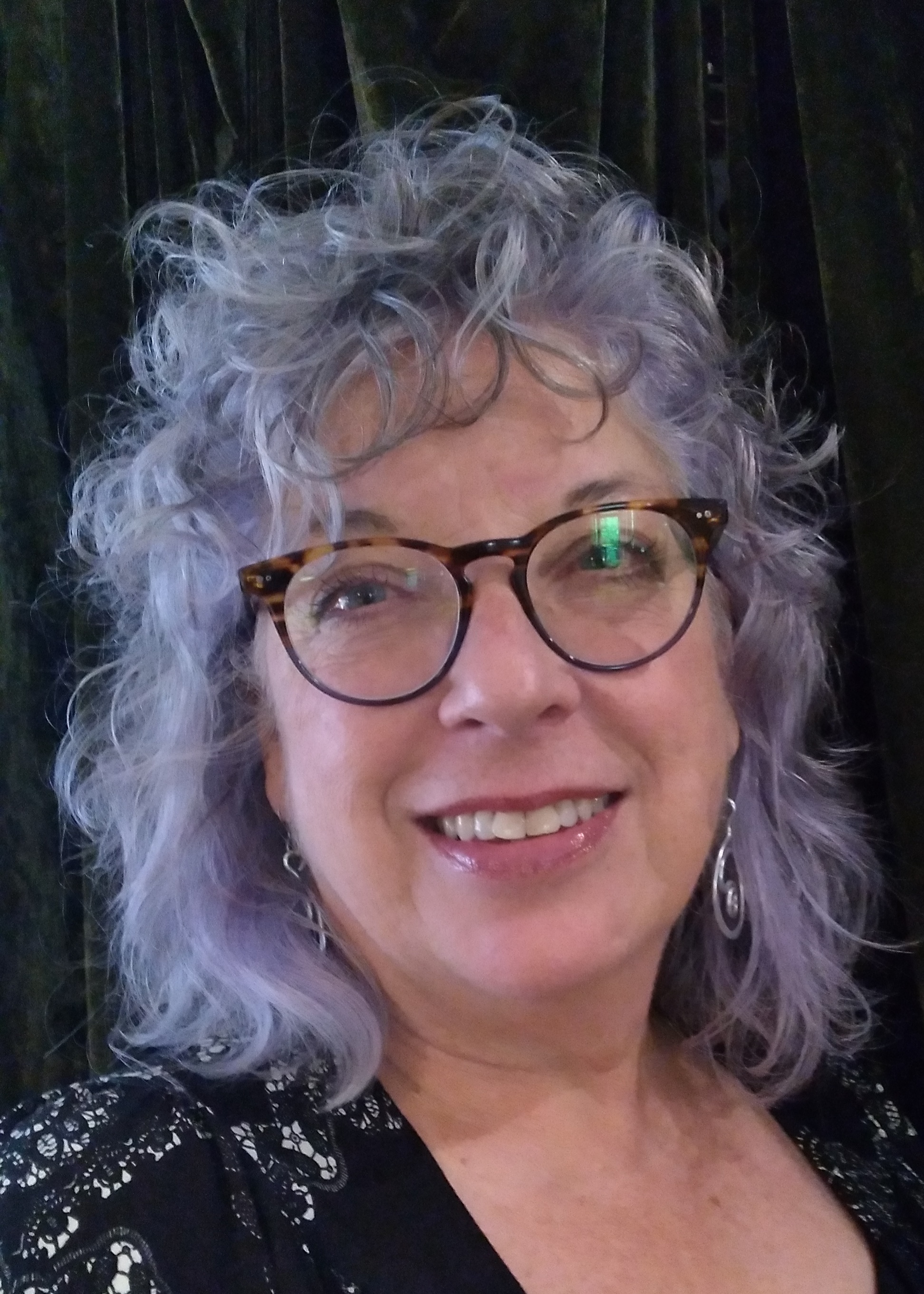
Marsha Ruggeri is an active board member and volunteers as a registered nurse care provider for Saint Benedict Health and Healing Ministry in Louisville, CO. With over three decades practicing in critical care hospital settings, she brings a wealth of expertise. Ruggeri is also a dedicated disability rights advocate and caregiver.

Noel Sanders is a Senior Community Organizer at the Boston Center for Independent Living. She is working to dismantle structural inequality through intersectional activism, with the goal of supporting and empowering BIPOC consumers. She focuses on addressing the relationship between lived oppression and health disparities. Her work centers around building more comprehensive, accessible public health structures. She has worked to fight displacement in disadvantaged communities across the East Coast and in Bosnia, Croatia, and Spain. She is dedicated to tackling systemic oppression and sees housing inequality, climate change, racism, ableism, and gender oppression as interrelated issues of public health. She is an experienced project coordinator who fights on these fronts from Boston.
Urban Institute Project Staff
Genevieve Kenney is a vice president and senior fellow in the Health Policy Center at the Urban Institute. She is a nationally renowned expert on Medicaid, the Children’s Health Insurance Program (CHIP), and health insurance coverage; health care access and quality; and health outcomes for low-income adults, children, and families. She has played a lead role in several Medicaid and CHIP evaluations, including congressionally mandated CHIP evaluations, and has conducted numerous analyses of eligibility expansions, implementation of managed care, and other service delivery reform initiatives and policy changes in Medicaid and CHIP.
Myriam Hernandez-Jennings is an associate director in the Office of Race and Equity Research at the Urban Institute, leading internal capacity building for embedding equity in research and policy. She has over two decades of experience in community engagement, partnership-building, participatory research, community advisory board recruitment and management, and racial equity training. She offers skill-building, training/technical assistance, and strategic guidance to engage community members and improve the economic, social, and health care systems for excluded populations.
Hernandez-Jennings was director of equity and engagement at Community Catalyst, interim executive director for the Massachusetts Coalition of Domestic Workers, executive director of the Massachusetts Alliance on Teen Pregnancy, the regional and national director of several women’s health projects at JSI Research & Training Institute in Boston, and a board member of the feminist collective Our Bodies, Ourselves. In her community, she leads a townwide multi-sectoral network advancing racial, health, reproductive, immigration, and climate justice.
Faith Mitchell is an Institute fellow at the Urban Institute, working with the Center on Nonprofits and Philanthropy and the Health Policy Division. Over several decades, her career has bridged research, practice, and social and health policy. Previously, Faith was president and CEO of Grantmakers In Health, a DC-based national organization that advises, informs, and supports the work of health foundations and corporate giving programs. Before that, she held leadership positions at the National Academies (National Research Council and Institute of Medicine), the US Department of State, the William and Flora Hewlett Foundation, and the San Francisco Foundation. Faith has a doctorate in medical anthropology from the University of California, Berkeley.
Alaisha Verdeflor is a research analyst in the Health Policy Center. Since joining Urban, Verdeflor has used qualitative and community-engaged methods in projects focused on expanding vaccine access among adults, managed care implementation in Medicaid, and health equity. Before joining Urban, they worked as a community health worker and as a policy and community engagement assistant as part of the Drexel University Urban Health Collaborative. Verdeflor holds a bachelor’s degree in public health from Rutgers University and a master’s degree in public health from Drexel University.
