MASS Design Group (MASS) is a global nonprofit design collective that describes its focus as prioritizing designing spaces that promote healing, care, compassion, justice, and human dignity. During the roundtable, MASS shared that they believe design is never neutral—it either hurts or heals. MASS uses trauma-informed design strategies to advance their core principles but emphasizes that their trauma-informed approach is more than a list of strategies. The team members immerse themselves in the communities they’re working in to build relationships with and learn from community members to define a project’s mission and determine how it can inform design and construction decisions. After the design is completed, MASS teams maintain their relationships with communities, conducting long-term evaluations to measure impact and collecting narratives from residents to share the story of how the development affects people’s lives.
MASS has partnered with POAH to develop affordable housing with trauma-informed design principles. Through this work and collaboration, MASS has determined that trauma-informed design benefits everyone and applies to all project types, both new construction and existing developments. One example MASS shared was the development of the Haven Domestic Violence Shelter in Bozeman, Montana. Haven’s design prioritized openness, safety, and trust to mitigate the feelings of secrecy, isolation, and stigma that many domestic violence survivors experience. Intentional decisions like including a children’s room where children can play in direct view of their parents were designed to create an environment of safety and trust, one of the core tenants of trauma-informed design.
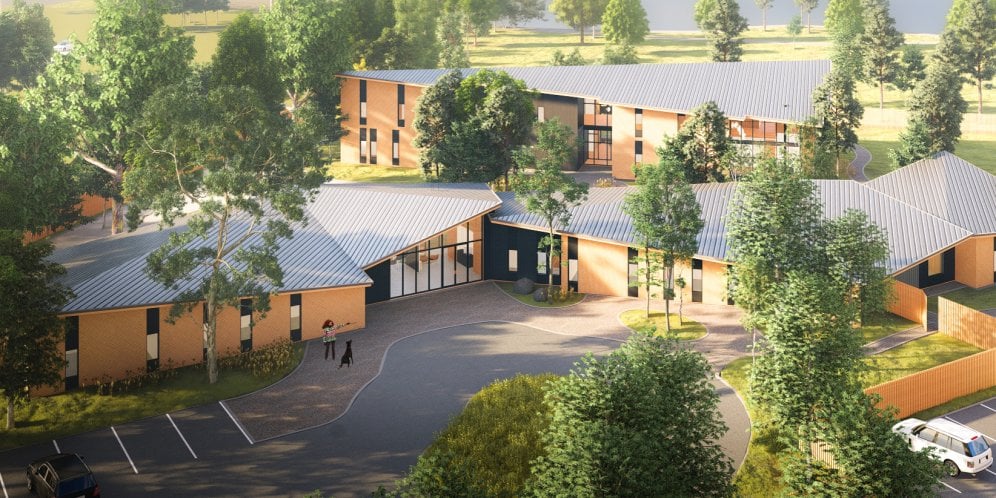
MASS also highlighted their collaboration with POAH to pilot trauma-informed renovation of the Hawthorne, an affordable housing development in Missouri. According to MASS, this collaboration emphasized the need to use design processes that embed and uplift lived experiences to drive change that supports those who have faced adversity. Through a visioning exercise with community members, the MASS team heard that residents wanted the building design to be welcoming and inclusive of all generations and to prioritize the safety of children and teenagers. Before the renovation, the building spaces were not designed for small children, though the building was home to over 500 children under the age of five. This lack of child-friendly spaces made it challenging for parents to enjoy community spaces, access supportive services, and fill out procedural paperwork. In response to this input, MASS designed multiple spaces for children and parents, including expanded reception areas, indoor play spaces next to and visible from meeting spaces, and a private room for parents who are lactating or in need of quiet time with their children.
Next section: Shopworks