Washington is one of the fastest-growing states in the nation. With that growth has come rising housing costs, driven in part by limited supply in the very places where demand is highest. At the same time, regions across the state are making historic investments in rail and bus rapid transit.
The question facing state and local leaders was clear: How can Washington ensure that new housing growth follows transit investment, rather than being pushed farther away?
The Urban Institute helped state leaders answer that question by examining the zoning capacity of municipalities across the Puget Sound. Researchers found that even in areas with major transit investments—like rail, streetcar, and bus stations—zoning rules often severely limited the amount and type of housing that could be built near transit.
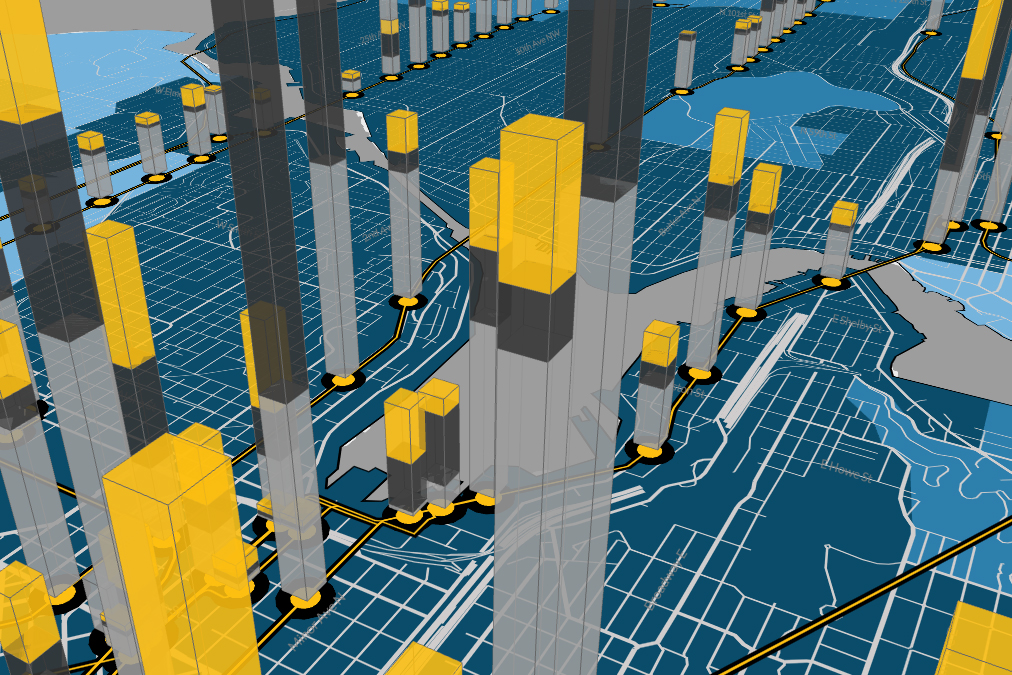
Urban translated these findings into a major report and an interactive tool showing how different zoning scenarios could expand housing opportunity near transit.
The work quickly gained traction. Washington legislators cited Urban’s analysis during the 2024 session as they debated housing reform, contributing to the passage of a major “missing middle” housing package.
Building on that momentum, Urban was engaged by the Washington State Legislature’s Joint Transportation Committee to conduct a statewide analysis of transit-oriented development potential and barriers. Urban worked with municipalities, regional agencies, state officials, and developers to identify practical constraints and opportunities for aligning land use with transit investment.
The findings became the basis for multiple legislative briefings and helped inform a major transit-oriented development reform package. The legislature subsequently extended funding for the work through 2025, supporting additional research with relevance for states nationwide.